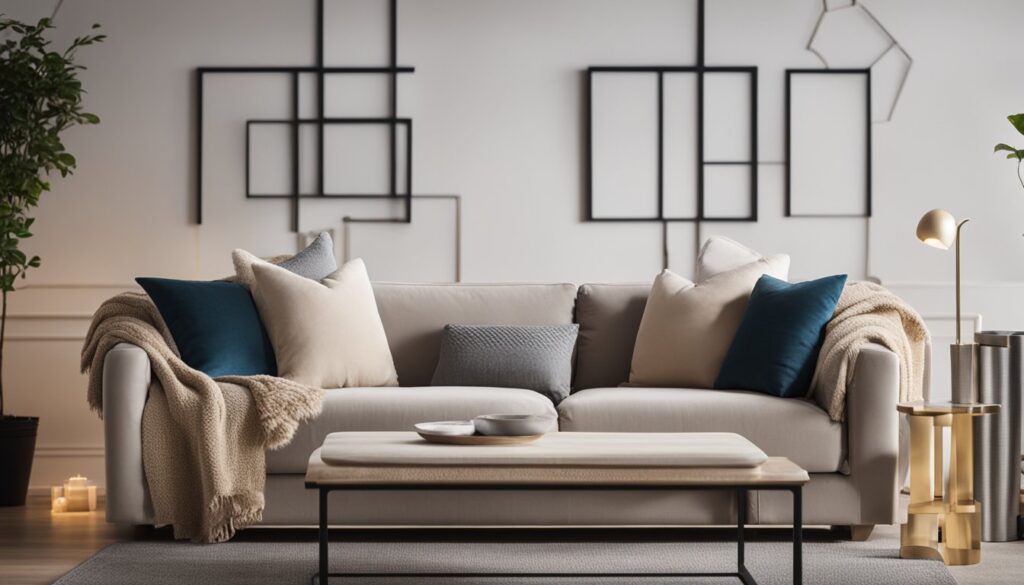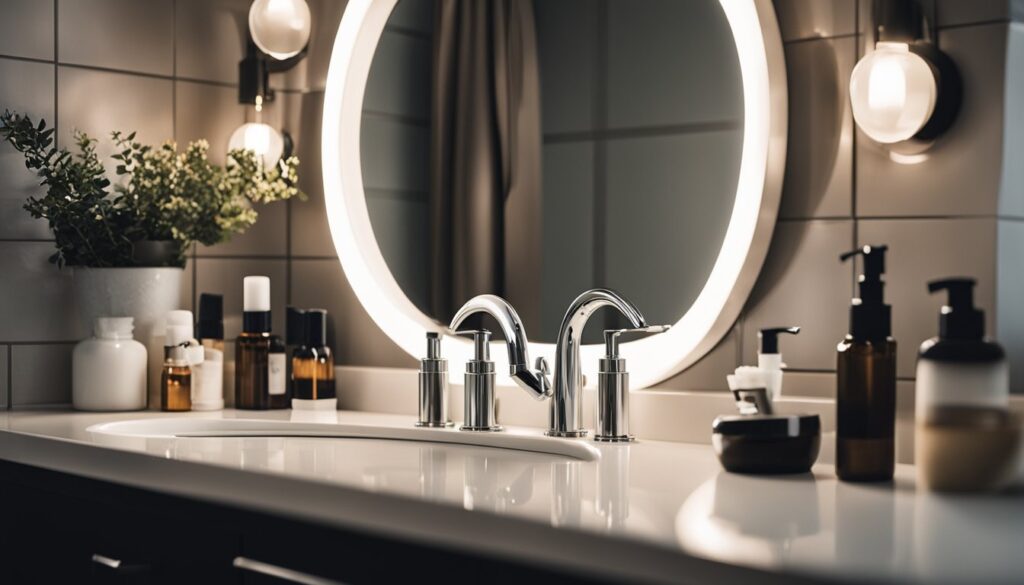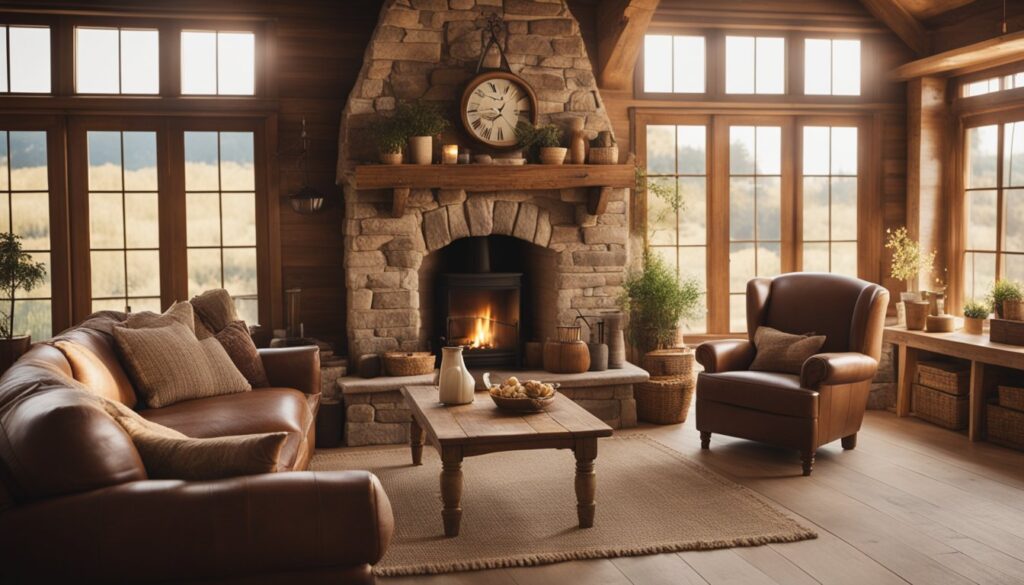
You’ll find 2026’s biggest home-design moves focus on comfort, lasting quality, and personal expression—think warm neutrals and bold color accents, softer shapes, and details that make rooms work harder for your life.
Expect homes to prioritize wellness, flexible layouts, and material longevity so your space looks current without needing constant updates.

This post breaks down the defining themes, color directions, textures and materials, room-by-room shifts, tech and outdoor priorities, and the small architectural details that will make the biggest impact on your home this year. Turn each section into a short checklist so you can spot which trends fit your priorities and which you can skip.
Table of Contents
Defining Themes of 2026 Home Design

Homes in 2026 favor richer color, tactile surfaces, and intentional material choices that balance comfort with longevity. Expect design that prioritizes lived-in warmth, visible craft, and strategies for reuse that align with sustainable luxury.
Shift Toward Warmth and Comfort
You’ll see fewer bright-white, ultra-minimal spaces and more layered, moody interiors that invite lingering. Walls painted in deep earth tones, matte plaster finishes, and saturated jewel colors create atmosphere without relying on trend-driven accents. Textures matter: boucle upholstery, handwoven rugs, and honed stone add tactile depth so a room feels touchable and calm.
Lighting shifts to warm Kelvin temperatures and multiple sources — sconces, table lamps, and dimmable downlights — so you can modulate mood by activity. Furnishings lean toward rounded silhouettes and generous proportions for comfort over austerity. These choices make rooms feel personal and resilient to churn in fashion while aligning with 2026 home trends that favor comfort-first interiors.
Emphasis on Craftsmanship and Detail
You’ll increasingly invest in pieces with visible joinery, inlaid surfaces, and custom millwork that read as heritage rather than mass-produced. Architectural trimwork, fluted panels, and bespoke cabinetry turn functional elements into focal points. These details reward closer inspection and age gracefully.
Look for a return to ornamentation at scale: patterned tile installations, sculpted brick facades, and metalwork accents that celebrate maker skills. This emphasis supports interior design trends that value storytelling and provenance. When you choose crafted items, you also support sustainable luxury by favoring quality over frequent replacement.
Sustainable and Circular Material Use
You should prioritize materials with a documented second life or recycled content and designs planned for disassembly. Reclaimed wood, brick made from recycled construction waste, and modular systems you can repurpose fit both durable design and circular economies. Specify textiles with transparent supply chains and low-impact dyeing to reduce long-term environmental cost.
Design strategies extend beyond materials: plan furniture systems that adapt to new uses, and prefer finishes that can be refreshed rather than replaced. This approach lets you embrace sustainable luxury — interiors that feel refined while reducing embodied carbon and supporting reuse across a product’s lifecycle.
Color Trends: Earthy Palettes and Bold Statements

Expect grounded, nature‑rooted colors paired with decisive accent moves. You’ll see terracotta and warm neutrals used as foundational hues, while immersive color drenching and deep jewel tones create dramatic focal points.
Warm Neutrals and Earthy Tones
Use warm neutrals as your room’s backbone to create a calm, lived‑in feel. Choose tones like sandy beige, warm khaki, and clay‑inspired terracotta for walls and large furniture; these hues read as versatile backdrops that layer well with wood, rattan, and textile textures.
Warm yellow accents — think buttermilk or parchment — bring subtle brightness without breaking the earthy mood. Place them in small doses: throw pillows, ceramic lamps, or a painted shelf interior.
When selecting finishes, match matte or eggshell paints with natural wood stains (special walnut, warm mahogany) to maintain cohesion. You’ll avoid the cool, gray-leaning look of the last decade and instead create a space that feels warm, tactile, and resilient to trend turnover.
Color Drenching and Immersive Palettes
Color drenching asks you to commit a whole room to a single hue or tightly related palette for immersive impact. Pick an earthy midtone — olive, warm eucalyptus, or muted terracotta — and carry it across walls, trim, and accessories to heighten depth.
Balance is key: vary textures (matte paint, woven rugs, plaster) to prevent a monochrome space from feeling flat. For smaller rooms, you can drench a single wall or alcove to achieve intimacy without overpowering the home.
Integrate neutral palettes as anchors: a drench of moody pistachio pairs with cream upholstery and soft wood floors, while a terracotta drench benefits from linen curtains and brass accents. This technique strengthens mood and makes lighting choices more consequential.
Jewel and Deep Accent Hues
Reserve jewel tones and sultry reds for accents that read as intentional, not accidental. Deep plum, carmine, and amethyst work best on statement furniture, fireplace surrounds, or a single feature wall.
Use these colors to contrast earthy bases: a velvet plum sofa pops against hazelnut walls, and a silk‑finished burgundy ottoman enlivens a warm neutral living room.
Keep the palette tight — one bold hue plus two supporting neutrals — to retain elegance. Metallics in aged brass or copper amplify the richness of jewel tones without competing for attention.
Texture, Shapes, and Materials
Expect interiors that favor inviting forms, tactile surfaces, and durable, characterful materials. Choices range from soft, organic silhouettes to bold stone and patterned terrazzo — all intended to add depth, longevity, and sensory interest to living spaces.
Organic and Curved Forms
You’ll see furniture and architectural details leaning into organic shapes and scalloped edges to soften rooms and improve flow. Look for sofas with rounded backs, coffee tables with pillowy profiles, and archways or shelving with soft radii that guide movement and sightlines.
These forms work well in high-traffic areas because they reduce sharp corners and read as intentional, not cluttered. Pair curved pieces with low, matte finishes on upholstery or wood to keep the silhouette readable and modern. Use curved built-ins or a scalloped kitchen island detail to introduce shape without sacrificing storage or function.
Tactile Surfaces and Layered Textures
Prioritize surfaces you can feel: matte finishes on cabinetry, unfinished plaster walls, woven rugs, and handmade terra cotta accents. You’ll create warmth by combining smooth matte cabinetry with rougher elements, such as hand-applied limewash, visible brush strokes, or tactile wallpaper.
Layering matters: place a looped wool rug over a flatweave, add linen drapery above a textured plaster wall, and introduce small ceramic pieces with visible tool marks. These contrasts help conceal wear and add resilience while keeping maintenance straightforward. Choose materials that patina well so texture improves with use rather than looking dated.
Statement Stones and Terrazzo
Use natural stone slabs and statement marble or granite countertops to anchor kitchens and baths. Go beyond thin veined marble by selecting full slabs with pronounced movement; install bookmatched marble for a dramatic focal wall.
Terrazzo returns as a practical yet decorative surface for floors, backsplashes, and shower niches. Opt for mixes that include recycled stone chips for a subtler look, or pick large aggregate for a bolder, more graphic expression. Combine terrazzo flooring with matte cabinetry and handmade terra cotta accessories to balance polish with craft and ensure visual cohesion.
Key Features and Architectural Details
Expect purposeful storage, tactile trim, and cabinetry choices that balance craft with clean lines. These elements emphasize function, sightlines, and materials—so you get rooms that feel organized, intentional, and grounded.
Built-Ins and Custom Shelving
Built-ins anchor rooms and reduce the need for freestanding furniture. Use zoned built-ins—bookcase sections with closed cabinets below or integrated desks—to separate display from concealed storage and keep visual clutter down.
Specify depth and shelf spacing for each use: 10–12″ for books, 14–18″ for media, and deeper units for baskets or appliances. Integrate wiring channels, adjustable shelving hardware, and soft-close drawers so the units work with modern tech and changing needs.
Consider built-in wall units around fireplaces or TV niches; recess them slightly to preserve sightlines. Finish choices matter: painted interiors brighten small rooms, while walnut or oak veneer adds warmth and hides fingerprints.
Paneling, Millwork, and Traditional Touches
Detailed millwork brings proportion and texture to ceilings, walls, and doorways. Use wainscoting or full-height paneling in dining rooms and hallways to protect surfaces and provide a backdrop for lighting and art.
Adopt traditional details selectively—plate racks in kitchens, arched range hoods, and picture-frame door casings—so you keep a crafted feel without overdoing ornamentation. Proportion is critical: match cornice height and panel width to ceiling height and room scale for coherent sightlines.
Choose durable materials and paint finishes that stand up to wear. You can combine classical profiles with modern paint colors to achieve a Modern Tudor or updated traditional look that reads intentional rather than period-correct.
Flat-Panel and Inset Cabinetry
Flat-panel cabinets deliver a sleek, contemporary silhouette; inset cabinetry offers a refined, custom look. Decide based on workflow and aesthetics: flat-panel works well in minimalist kitchens and open-plan spaces, while inset cabinets bring a furniture-like presence in traditional or transitional designs.
Specify hardware strategy early—integrated pulls, edge pulls, or exposed brass—because the choice changes perceived scale and function. Consider mixing: inset base cabinets with flat-panel uppers, or flat-panel islands flanked by inset perimeter units.
Material and finish affect durability and maintenance. Thermofoil or matt-lacquered flat-panels resist staining; solid-wood inset doors stand up to heavy use and can be refinished if needed.
Room-Specific Trends
Expect bold flooring choices, targeted bathroom upgrades that feel spa-like, and small, well-lit corners for reading and resting. Each area emphasizes texture, purposeful fixtures, and lighting strategies that support daily use and comfort.
Checkerboard Tile and Flooring
Checkerboard tile returns with contemporary scale and material variety. You can pick classic black-and-white porcelain for high-contrast kitchens and entryways, or opt for muted tones—warm browns paired with cream—to soften the look while keeping geometric interest. Larger squares and elongated rectangles create a modern reinterpretation of the pattern; mix sizes to avoid a retro costume feel.
Use checkerboard on a defined zone rather than across an entire open plan. In kitchens, place it under an island or in a cooking corridor to anchor the work area. On floors, combine checkerboard with patterned borders or wood inlays to transition to adjacent rooms. For durability, choose rectified porcelain or glazed ceramic rated for floors; seal natural stone if you use it. Grout color matters—contrasting grout makes the pattern pop, while tone-on-tone grout reads subtler.
Bathroom Innovations and Spa Vibes
Focus on fixtures and materials that deliver both function and calm. Wall-mounted bathroom faucets free up counter space and create clean sightlines; pair them with slab sinks or integrated basins for minimal splash and easier cleaning. You can use large-format tiles or statement stone slabs to reduce grout lines and amplify the spa look.
Layered lighting matters: a dimmable overhead, task lighting at mirrors, and low-level floor or toe-kick lights create flexible moods from wake-up to wind-down. Consider thermostatic shower valves, steam-ready enclosures, and heated floors for consistent comfort. Keep storage concealed—recessed niches, medicine cabinets, and under-sink drawers—to maintain a serene, uncluttered surface. Finish choices like brushed brass or patinated metals add warmth against neutral tiles without feeling trendy.
Reading Nooks and Cozy Corners
Design small reading areas with ergonomics and layered lighting in mind. Place a lounge chair or built-in bench with a supportive cushion near a window or a dedicated wall; include a side table sized for a book and a cup. You can add shelving or shallow built-ins for easy access to favorites and display objects that make the corner feel personal.
Lighting should include task and ambient sources. Combine a directional floor or wall sconce for page lighting with an overhead or concealed LED for soft background glow. Use warm-color bulbs (2700–3000K) to reduce eye strain. Acoustic softening—rugs, heavy curtains, and upholstered surfaces—improves comfort and concentrates sound. Add a throw and a reading lamp on a dimmer so you can tune brightness without moving positions.
Lifestyle, Technology, and Outdoor Spaces
Expect renovations to feel visible, predictable, and tied to daily life. You’ll use real-time project tools, immersive design previews, and expanded outdoor rooms that prioritize health, durability, and easy maintenance.
Seamless and Transparent Renovations
You’ll demand transparent renovation projects that remove surprises and keep timelines compact. Contractors increasingly offer digital project dashboards with itemized schedules, budgets, and visual progress updates so you can check status, change orders, and delivery dates from your phone.
Photos, short video clips, and milestone check-ins replace vague status emails. This transparency reduces delays by flagging issues—like material backorders or permit holdups—earlier, enabling faster decisions.
Expect contracts to tie payment milestones to documented progress rather than calendar dates. That makes quality verifiable: before-and-after photo logs, manufacturer serial numbers, and warranty documentation live in one shared folder. You’ll find this particularly useful for multiroom or phased upgrades where staging matters.
Digital Visualization and Smart Features
You’ll preview designs before construction with immersive visualization tools: 3D floor plans, AR walkthroughs, and photorealistic renderings that show finishes, sightlines, and furniture layouts to exact scale. These tools reduce costly change orders because you can see how light, circulation, and storage perform in your actual footprint.
Smart-home features integrate with that visualization. Link device maps to the digital plan so you can place sensors, thermostats, and motorized shades based on real-world geometry. Dashboards consolidate controls and energy data, letting you set wellness presets—temperature, fresh-air exchange rates, and circadian lighting—for different rooms. Prioritize interoperable products and clear owner manuals in the dashboard to avoid vendor lock-in.
Outdoor Garden Rooms and Wellness Spaces
You’ll convert yards into controlled garden rooms that function like additional living spaces year-round. Designers use sturdy, low-maintenance materials—composite decking, sealed stone, and weather-rated fabrics—paired with integrated HVAC or infrared heaters to extend use into cooler months. Plan sliding glass walls or large bi-fold doors to create a genuine indoor-outdoor flow.
Wellness features anchor these spaces: planted sound buffers, raised edible beds, and programmable misting or ventilation systems to improve microclimate. Consider durable lighting layers (path, task, and ambient) and hard-wired electrical for spa features or kitchen amenities. Aim for sustainable luxury—rainwater capture for irrigation, native plantings to reduce maintenance, and low-energy lighting—to keep operating costs low while enhancing daily well-being.
Frequently Asked Questions
These answers focus on concrete choices you can make in 2026: specific color families, furniture types, bedroom layouts, sustainable materials and practices, smart-home features, and global influences reshaping American interiors.
What are the leading color palettes in interior design for 2026?
Expect warmer, deeper palettes that move away from bleached neutrals. Think moody earth tones — clay, olive, charcoal, and deep ochre — paired with accent jewel tones like forest green and muted sapphire.
You’ll also see tactile, layered color schemes where saturated walls contrast with matte, natural finishes. Small doses of softer pastels appear as balancing accents rather than dominant palettes.
Which furniture styles are predicted to dominate home decor in 2026?
Look for midcentury-derived silhouettes updated with richer materials and rounded forms. Modular systems and adaptable pieces remain popular because they fit varied living situations and support long-term ownership.
Brazilian modern and archival pieces gain traction for their organic shapes and warm woods. Expect investment furniture with visible craftsmanship instead of disposable, trend-driven items.
What are the upcoming trends for bedroom interior design in 2026?
Bedrooms will prioritize atmosphere and comfort over minimalism. Oversized upholstered headboards, layered textiles, and warm wall colors create intimate, analog-focused retreats.
You’ll also see multifunctional primary suites with dedicated lounging or work nooks, plus built-in storage that supports flexible layouts.
How is sustainable and eco-friendly design integrated into 2026 home trends?
Circularity and material second lives become standard design criteria. You can choose recycled construction products, reclaimed wood, and low-impact production methods that specify a product’s expected second use.
Passive design strategies—daylighting, cross-ventilation, and thermal mass—get integrated into projects alongside durable finishes that reduce waste over time.
What technologies are being incorporated into home design for enhanced functionality in 2026?
Expect discreet, integrated smart systems rather than visible tech showpieces. Voice and presence sensors will automate lighting, HVAC, and shading to support comfort and efficiency without dominating aesthetic choices.
You’ll also find tech that supports longevity: condition-monitoring for building systems, modular wiring for upgrades, and AI-assisted tools used by professionals for planning (with designers emphasizing human-led decisions).
What influence will international design have on American homes in 2026?
Global perspectives bring warmer palettes, ornamentation, and tactile surfaces into mainstream American interiors. Brazilian modernism, layered traditional motifs, and craft-forward approaches from diverse regions inform material choices and furniture forms.
You’ll notice more intentional cultural references paired with accountability: designers are increasingly attentive to context, provenance, and ethical collaboration when sourcing global craft and design.